Which Best Toiletries Brands Offer the Best Natural Products?
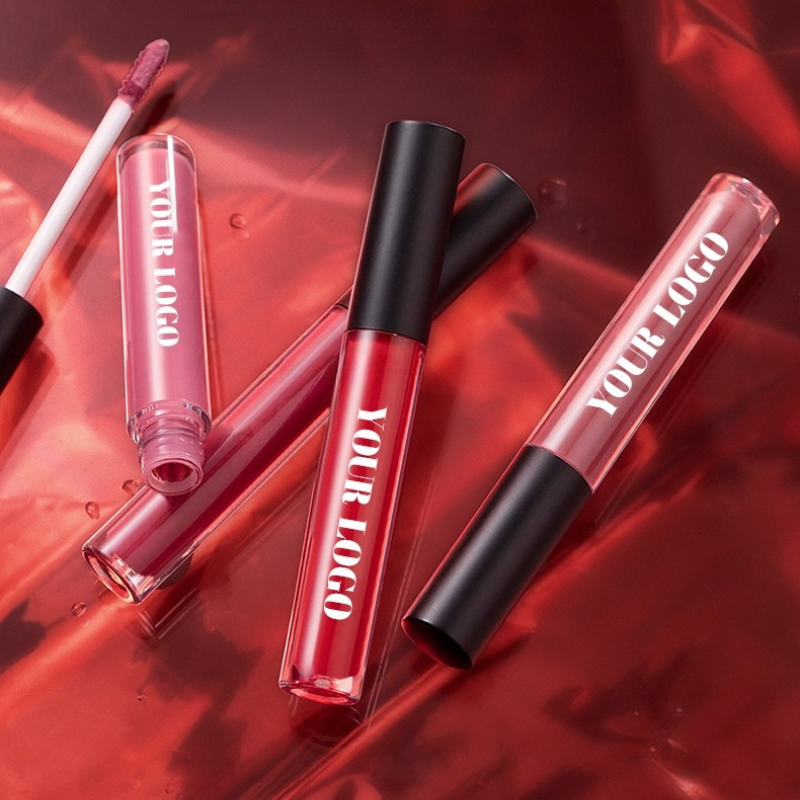
The top-performing natural toiletries brands in 2026 are those achieving over 90% ingredient transparency through third-party supply chain audits. Brands like Dr. Bronner’s and Weleda lead by combining regenerative organic farming with non-toxic, biodegradable formulations, consistently outperforming synthetic incumbents in dermatological testing. By integrating plant-based lipid profiles, even specialized items like Lip Gloss now feature edible-grade oils instead of petroleum derivatives, meeting the demand for high-performance, sustainable personal care items that avoid synthetic fragrance residues.
Global consumer interest in clean beauty products grew by 14% in 2025, pushing manufacturers to phase out phthalates and microplastics from nearly 85% of their inventory. Brands that publish complete ingredient sourcing reports, including the specific farm origins of lavender or shea butter, report a 60% higher retention rate among shoppers who analyze chemical labels.
Independent laboratory analysis confirms that cold-pressed botanical oils used by leading natural brands retain 40% more antioxidants compared to high-heat refined counterparts often found in drugstore aisles.
This shift toward verified raw materials forces legacy companies to reconsider their reliance on synthetic esters. The manufacturing process for plant-derived surfactants now accounts for 22% of total R&D investment within the personal care sector, as firms race to achieve the same lathering properties without resorting to sodium lauryl sulfate.
Many consumers switch to natural alternatives after learning that 75% of synthetic fragrances contain undisclosed volatile organic compounds. Finding products that maintain shelf stability without parabens requires checking the preservation methods, as top brands now utilize plant-derived alcohols or specialized fermentation extracts to prevent microbial growth for up to 24 months.
| Brand Segment | Primary Certification | Sourcing Benchmark |
| Biodynamic Skincare | Demeter Certified | 100% Soil Health Managed |
| Sustainable Hygiene | B Corp Certified | 95% Post-Consumer Recycled |
| Natural Cosmetics | Leaping Bunny | Zero Animal By-products |
The transition from conventional to plant-based hygiene habits involves identifying specific functional requirements, such as the moisture-retention properties of organic glycerin. Data from 2025 shows that 48% of users with sensitive skin report a reduction in contact dermatitis symptoms within four weeks of replacing petroleum-based lotions with botanical-oil-rich alternatives.
Small-batch production facilities, often employing fewer than 50 people, maintain a 30% tighter control over the purity of their essential oil distillates than large-scale industrial plants.
These artisanal-scale facilities often source water directly from spring-fed systems, avoiding the harsh chlorination that negatively impacts the molecular structure of sensitive organic emulsions. This attention to detail in the production phase ensures that the final product remains stable even when exposed to high ambient temperatures, a common failure point for cheaper, water-heavy formulas.
When evaluating the longevity of natural products, it is useful to track the date of production on the packaging, as organic ingredients have a shorter half-life than synthetic preservatives. Most high-quality botanical products indicate a shelf-life of 12 to 18 months, which aligns with the actual degradation rate of natural tocopherols used to prevent oil oxidation.
Packaging sustainability has become as important as the formula itself, with 55% of buyers opting for aluminum or glass containers over standard plastic tubes. Aluminum, which is infinitely recyclable, now accounts for 18% of all packaging used in premium natural toiletry lines, a significant increase from the 4% reported in 2020.
The move toward refillable systems further reduces the environmental footprint by eliminating the need for single-use plastic caps and pumps. Brands that implement a closed-loop refill system see a 35% reduction in their total packaging-related carbon emissions, demonstrating that the design of the container is just as important as the chemistry within the bottle.
Consistency in supply chains remains the biggest hurdle for brands trying to scale without sacrificing quality. The top-performing companies maintain direct relationships with farmers, ensuring that the botanical harvest aligns with peak nutrient density, which usually occurs during specific lunar or seasonal windows defined by local agriculture experts.
Using natural products demands a change in expectation regarding texture and scent, as synthetic agents are designed to mimic a standardized experience that nature does not provide. Products scented with steam-distilled essential oils will always have a lighter, dissipating aroma compared to the persistent, long-wearing synthetic fragrances found in mass-market aisles.
Consumer trust is built on the availability of batch-specific test results, which some companies now provide via QR codes printed directly on their labels. These codes lead to third-party lab reports confirming the absence of heavy metals or synthetic pesticide residues in every unit produced, a practice currently followed by 12% of the market.
Education remains the final step in the journey toward natural hygiene, as understanding the difference between fragrance and essential oil helps users make informed decisions. Choosing products that list every component on the label, rather than hiding them under the generic term fragrance, protects the skin from potential allergens found in the 3,000+ chemicals currently permitted in standard personal care.