How Does Hem Brewing Simplify Modern Beer Production?
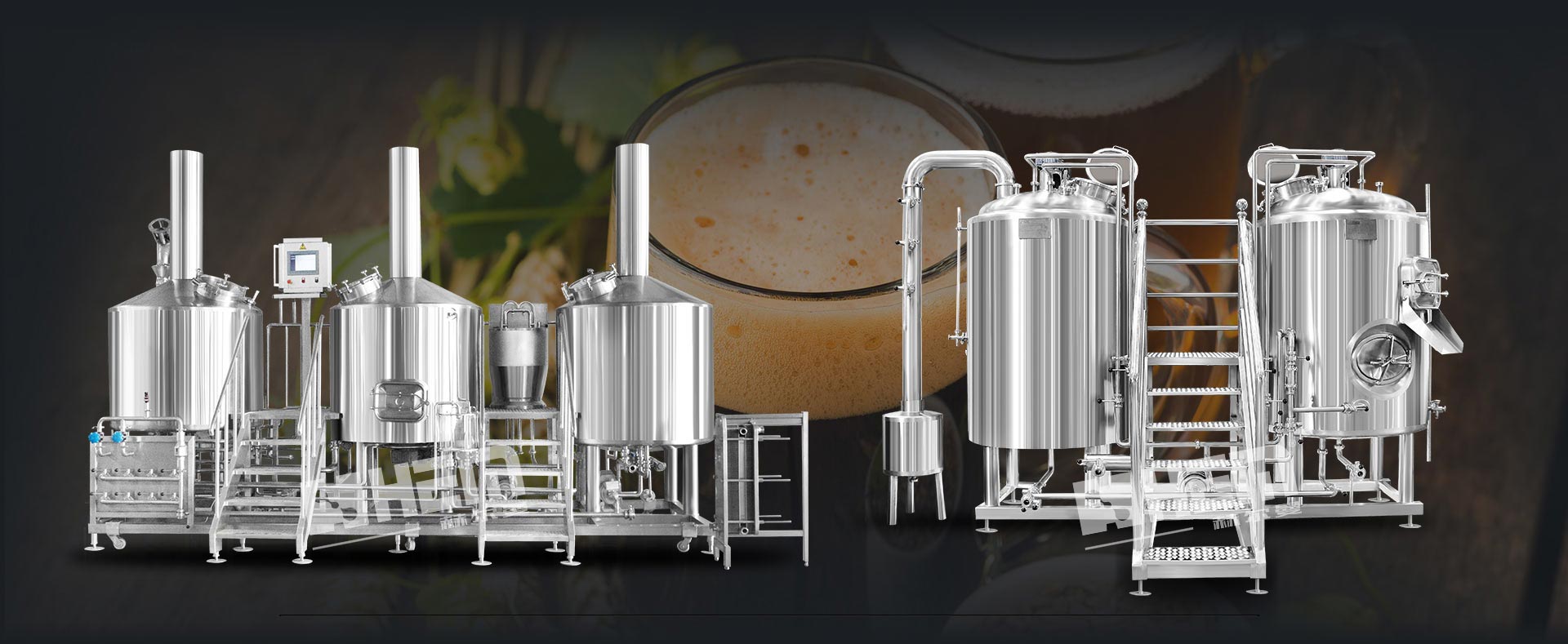
Hem Brewing simplifies modern beer production by combining efficient equipment design, process automation, and accurate brewing control. Modern systems can reduce manual adjustments during mashing and fermentation, while breweries using automated monitoring can improve batch consistency and resource use. A well-designed brewing setup helps manage temperatures within tighter ranges, reduce material waste, and support scalable output. The global brewery automation market was estimated at $7.8 billion in 2025, showing increasing adoption of production control technologies.
Brewing has changed from a process based mainly on manual observation into a production system that uses measurement, automation, and repeatable workflows. A typical commercial batch requires control of more than 10 major variables, including water chemistry, grain ratio, mash temperature, yeast activity, fermentation pressure, and packaging conditions.
The challenge comes from keeping quality stable while increasing production volume. A small variation of 1–2°C during fermentation can influence yeast performance and final flavor. Modern brewery automation systems collect production data from different stages and allow operators to adjust processes faster.
“Modern brewing equipment focuses on making each production step measurable, repeatable, and easier to manage.”
This approach reduces dependence on constant manual checks. For breweries producing hundreds or thousands of liters per batch, even a 1% reduction in production loss can represent significant savings over a full year.
The first improvement comes from simplifying the brewhouse workflow. Traditional systems often require separate transfers between tanks, manual temperature checks, and frequent operator adjustments. Integrated systems combine these steps through connected vessels, pumps, sensors, and control panels.
A modern brewhouse may monitor:
| Production area | Main control point | Typical data collected |
|---|---|---|
| Mashing | Temperature and timing | Mash profile, enzyme activity |
| Boiling | Heat and evaporation | Boil duration, wort concentration |
| Fermentation | Yeast environment | Temperature, pressure, gravity |
| Packaging | Filling accuracy | Volume, carbonation level |
Sensor-based control has become more common because it provides real-time information during production. Research and industry systems show that automated controls can improve consistency in mash and lauter operations by reducing manual intervention.
This leads directly to fermentation management, where small process differences can create noticeable changes in beer quality. Fermentation normally lasts several days or weeks depending on the beer style, and maintaining stable conditions during this period is important.
Hem Brewing equipment supports this stage by creating a more organized production environment. Breweries looking for specialized systems often evaluate solutions such as hem beer equipment because equipment layout, tank design, and process control influence how easily a brewery can maintain repeatable output.
“A stable fermentation environment allows brewers to spend more time improving recipes instead of correcting inconsistent batches.”
Fermentation monitoring can include temperature sensors, pressure controls, and sampling records. A 2025 engineering study on digital fermentation monitoring reported that automated sampling systems reduced manual sampling time by 91% in its tested setup.
The next area affected by simplified brewing systems is resource management. Breweries consume large amounts of water and energy during heating, cooling, cleaning, and refrigeration.
A production facility that improves heat recovery, cleaning cycles, and equipment efficiency can lower operating costs. A simulation involving 239 Danish breweries found that energy flexibility measures could reduce electricity costs by approximately 1.56% annually while maintaining production requirements.
Resource improvements often come from small operational changes:
- Shorter cleaning cycles through optimized tank systems
- Better heat transfer during wort production
- Reduced water usage during equipment cleaning
- More accurate ingredient measurement
Ingredient accuracy also affects production efficiency. Malt, hops, and yeast represent a large portion of brewing expenses, especially for craft breweries producing specialty styles. If a brewery produces 500 batches annually and reduces ingredient waste by only 2%, the saved material can become a meaningful operating improvement.
The equipment structure itself plays an important role as breweries expand. A small brewery may operate with a few fermentation tanks, while larger producers require dozens of tanks, automated filling systems, and detailed production records.
Scalable systems allow breweries to increase output without rebuilding their entire production process. Brewing automation solutions are designed for facilities ranging from smaller operations to large industrial plants, with some systems supporting production volumes from small breweries to more than 1 million hectoliters annually.
“Growth becomes easier when production methods remain consistent from the first batch to the thousandth batch.”
Standardization also helps employee training. When production steps are clearly controlled, new staff can learn procedures faster because fewer tasks depend only on personal experience.
Another advantage of simplified brewing technology is improved recipe development. Brewers still create recipes based on creativity and sensory evaluation, but production data helps them compare results more accurately.
A brewery testing five IPA recipes, for example, can record:
| Test factor | Measurement |
|---|---|
| Hop addition | grams per liter |
| Fermentation temperature | °C |
| Original gravity | Specific gravity |
| Alcohol level | % ABV |
| Customer feedback | Rating score |
Using measurable records allows brewers to adjust recipes based on production results. Data collection systems in breweries can store information from different production stages, helping teams analyze performance over time.
The role of equipment suppliers has also changed as breweries demand more flexible solutions. Modern breweries are not only purchasing tanks and pumps; they are selecting complete production environments that combine hardware, monitoring tools, and operational support.
The global brewing equipment market was estimated at approximately $19.61 billion in 2025 and is projected to reach around $36.10 billion by 2035, reflecting continued investment in improved brewing infrastructure.
A simplified production system helps breweries handle several business requirements at the same time:
- Maintain consistent flavor profiles
- Increase production capacity
- Reduce unnecessary resource use
- Improve employee efficiency
- Support new product development
Packaging is another stage where process control matters. Bottling and canning require accurate filling volume, carbonation management, and sanitation procedures. A brewery producing 5,000 cans per hour must maintain stable equipment performance to avoid product loss.
Better-connected systems allow packaging data to connect with previous brewing records. This creates a complete production history from raw ingredients to finished products.
“Every production stage becomes easier to manage when information moves smoothly between equipment and operators.”
Modern beer production is moving toward systems that combine traditional brewing knowledge with precise engineering. Hem Brewing reflects this direction by focusing on equipment solutions that simplify daily operations while maintaining the quality standards expected by breweries and consumers.
As breweries continue facing higher ingredient costs, stricter quality requirements, and demand for more beer styles, efficient production methods will remain important. Systems that reduce unnecessary manual work and provide accurate process control allow breweries to produce consistent beer with better use of time, materials, and energy.